
Beyond Fish · 🪣 Bait Collecting
Catching Your Own Bait
Live bait you catch yourself out-fishes anything from a store. Connecticut lets licensed saltwater anglers net and trap a list of bait species — here’s what you can take, the legal gear and where to find it.
📍 Where to go
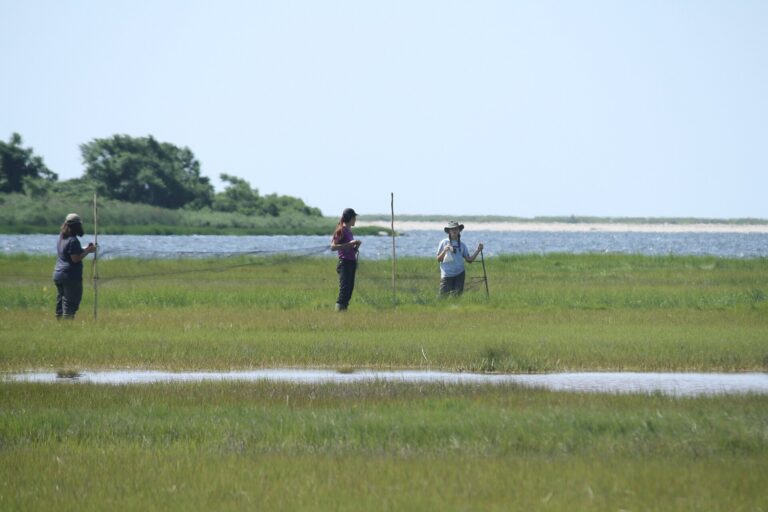
Endless marsh creeks and ditches — killifish, grass shrimp and fiddler crabs everywhere. Set traps in the creeks on the incoming tide.
Spot details, tides & map →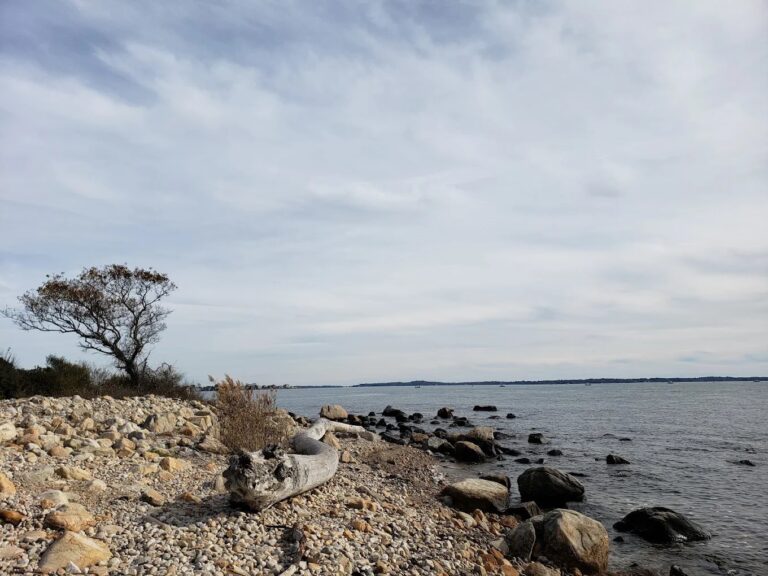
Shallow, protected cove with mud and sand flats; good for minnow traps, scoop nets and silversides along the edges. Open to fishing 24 hours.
Spot details, tides & map →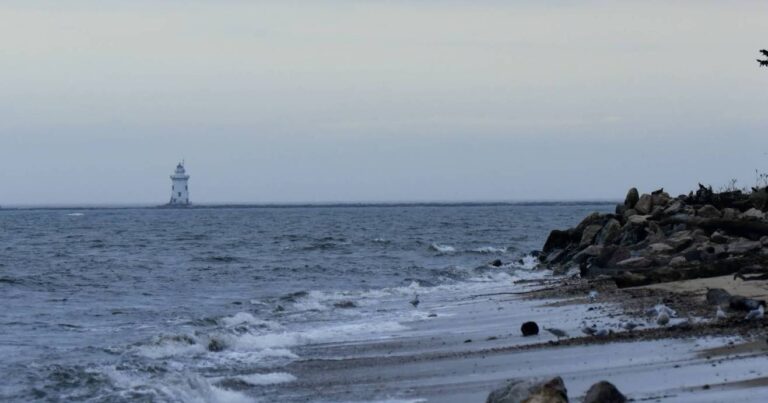
A sandy spit at the mouth of the Connecticut River with marsh behind it — silversides and sand eels on the beach side, killies and shrimp in the marsh.
Spot details, tides & map →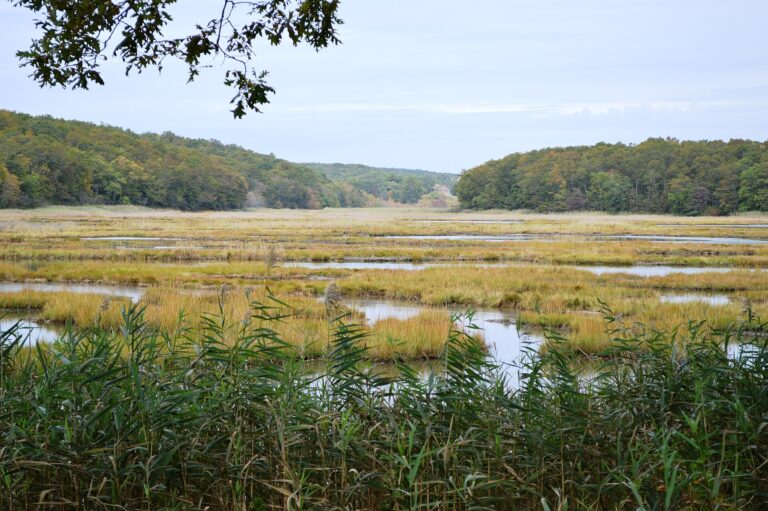
Jetty rocks hold green and Asian shore crabs for blackfish bait; the tidal creek and marsh behind the beach hold killifish.
Spot details, tides & map →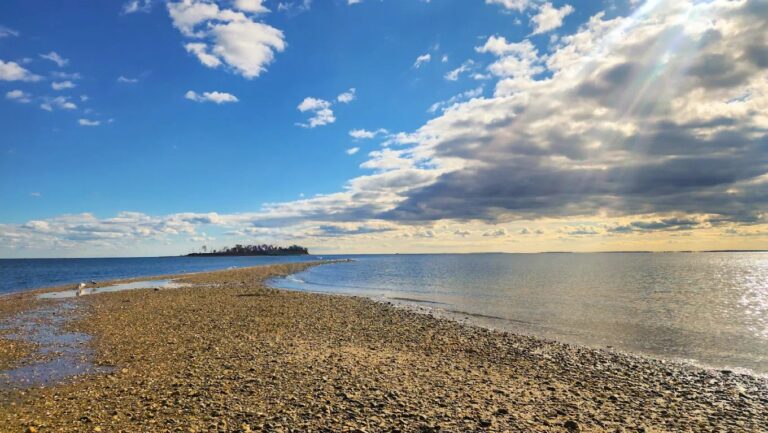
Long sandy beach and the tombolo to Charles Island — good water for seining silversides and sand eels. Watch the tide: the flood tide can strand you on the island.
Spot details, tides & map →
Tidal pond and inlet with marsh edges for killies and shrimp; bait schools gather where the inlet current runs.
Spot details, tides & map →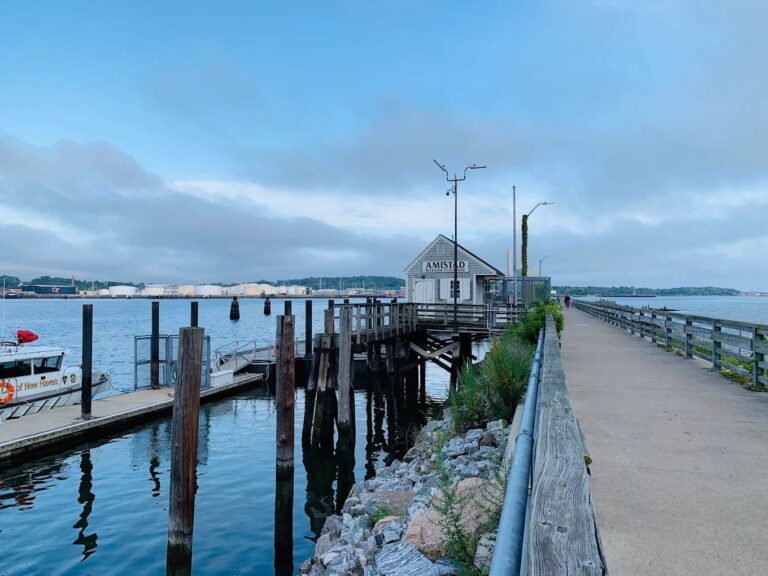
In summer and fall, menhaden pack into harbors and river mouths. Watch for flipping fish and birds, then cast-net or snag.
Spot details, tides & map →State park hours and parking rules apply. Fill in holes you dig and put rocks back where you found them — they’re home to the crabs you’ll want next time.
Bait you’re allowed to take
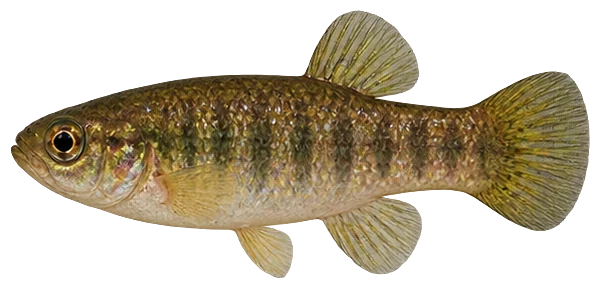
Striped and banded killifish and mummichogs (“mummies”). Tough, lively bait for fluke, stripers and weakfish. Found in every tidal creek and marsh ditch.
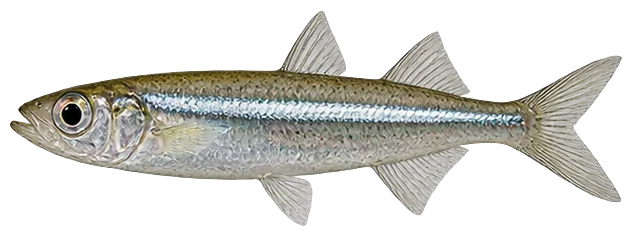
Spearing — the most important baitfish in the Sound. Schools along sandy beaches and marsh edges.
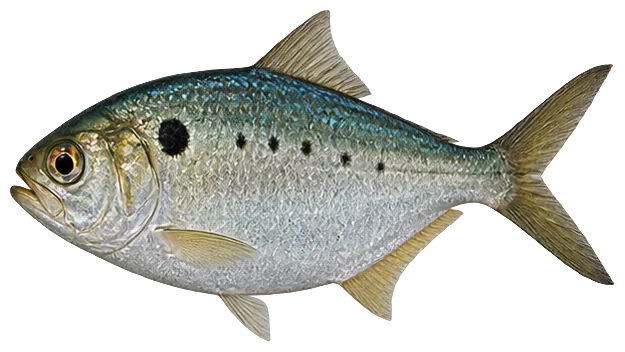
Big schools in harbors and rivers in summer and fall. Live-lined or chunked for big stripers and bluefish.
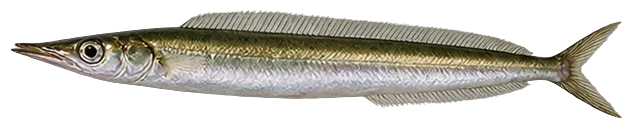
Slender eels that burrow in clean sand. A favorite food of stripers, bluefish and fluke.
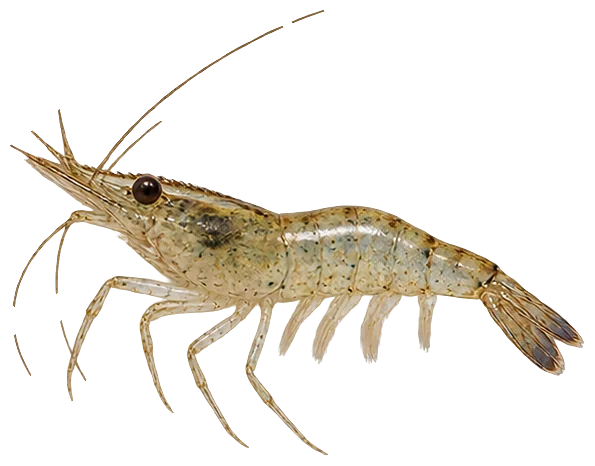
Tiny shrimp in eelgrass and marsh edges. Great for weakfish, perch and sea-run trout.
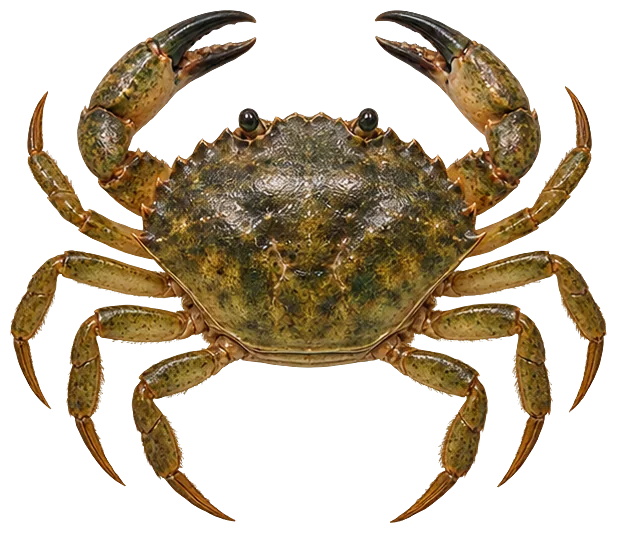
Under rocks and on jetties at low tide. The go-to bait for blackfish (tautog).
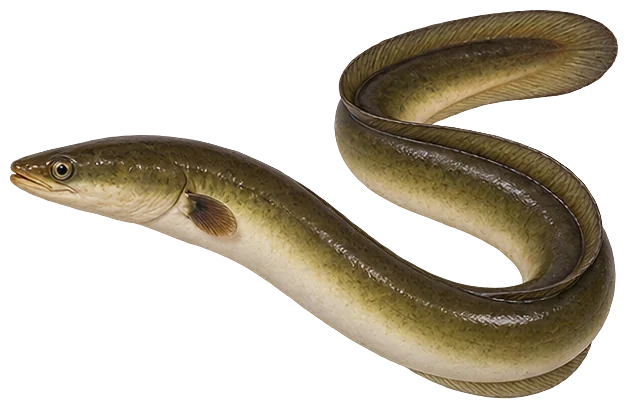
Up to two eel pots. Live eels are a classic night bait for big stripers — eels also have their own size and daily limits.
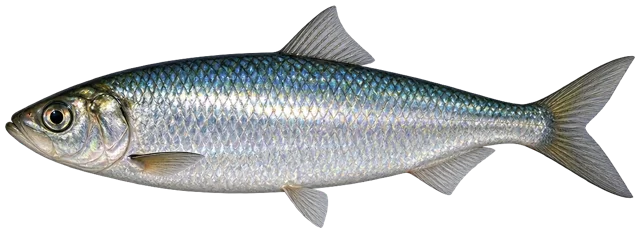
Silver, oily baitfish that moves inshore in the colder months. A great chunk or live bait for stripers and bluefish.
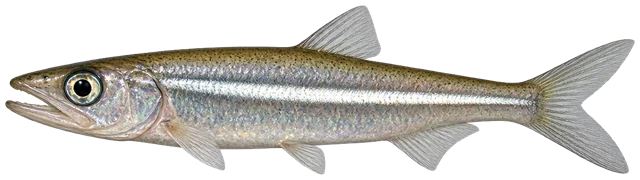
Tiny, translucent schooling fish with a silver side stripe — the “rain bait” that stripers and false albacore blitz on in late summer and fall.
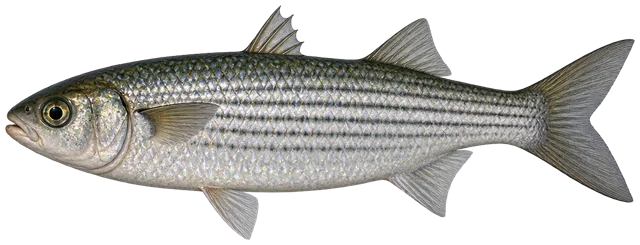
Striped and white mullet push into harbors and creek mouths in late summer and fall. Cast-net them and fish them live for stripers and blues. Also legal: sea lamprey and sheepshead minnow.
Legal nets and traps
- Cast nets — any size
- Minnow traps — no larger than 20″ long by 15″ in diameter
- Umbrella (lift) nets — up to 4 ft × 4 ft
- Scoop or scap nets — up to 36″ in diameter
- Seines — no longer than 30 ft
- Eel pots — up to two
- Hook and line, or by hand
How to catch it
- Killifish: bait a minnow trap with bread, crushed mussel or a cracked clam and set it in a tidal creek or marsh ditch on the incoming tide. Check it in 30–60 minutes.
- Silversides & sand eels: pull a small seine along a sandy beach at low tide with a partner, or throw a cast net on schools in the wash.
- Bunker: look for flipping, nervous water in harbors and river mouths. Throw a cast net or snag one with a weighted treble, then live-line it.
- Grass shrimp: sweep a fine-mesh scoop net through eelgrass and along marsh banks.
- Crabs: flip rocks along jetties and breakwaters at low tide (put the rocks back) or use a small baited trap.
Keeping bait alive: a bucket with a battery aerator, changes of cool salt water and shade. Don’t crowd it.
📜 Official sources — we check these pages every week and update this guide when the rules change. Last checked October 28, 2026.
- CT DEEP — Bait Species, Crab, Lobster & Shellfish Regulations (updated June 2025)
- CT DEEP — Shore Fishing in Coastal State Parks (night fishing rules) (updated June 2025)
This page is a plain-language summary. The official rules always win — confirm before you go.
📷 Share your bait collecting photos 🚩 Report a change or closure