
Beyond Fish · 🦪 Shellfishing
Shellfishing in Connecticut
Digging steamers, raking quahogs and picking oysters is a Connecticut shoreline tradition. Recreational shellfishing is run town by town — you need that town’s license and you may only harvest in areas that are open that day.
📍 Where to go
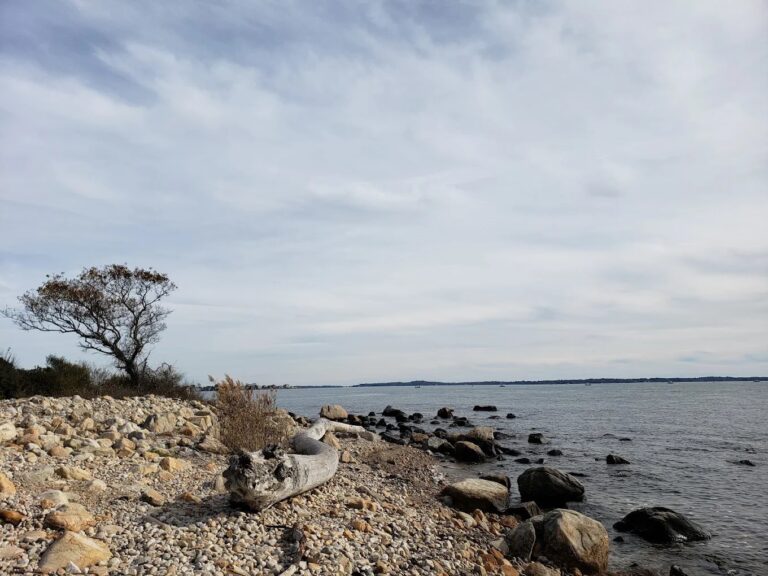
CT DEEP’s state-park shellfishing spot: the shallow Poquonock River and cove beside Bluff Point. Permits come from the Groton town office. Wide low-tide flats for clams; check the Ledge Light Health District hotline for open status.
Spot details, tides & map →A joint Waterford–East Lyme program on a protected, shallow river famous for clams and, in good years, bay scallops. Daily and season permits.
Spot details, tides & map →Town-managed recreational beds along the marsh-backed shoreline. Licenses and daily permits through each town; maps show exactly where you may dig.
Recreational areas in the Branford River and along the Thimble Islands shoreline; daily permits available.
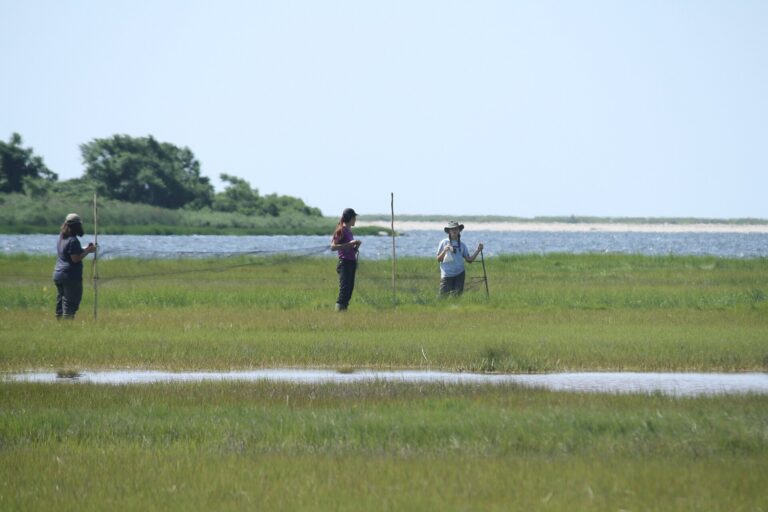
Little Narragansett Bay and the coves around Stonington. Town license required; resident, non-resident and daily options.
Spot details, tides & map →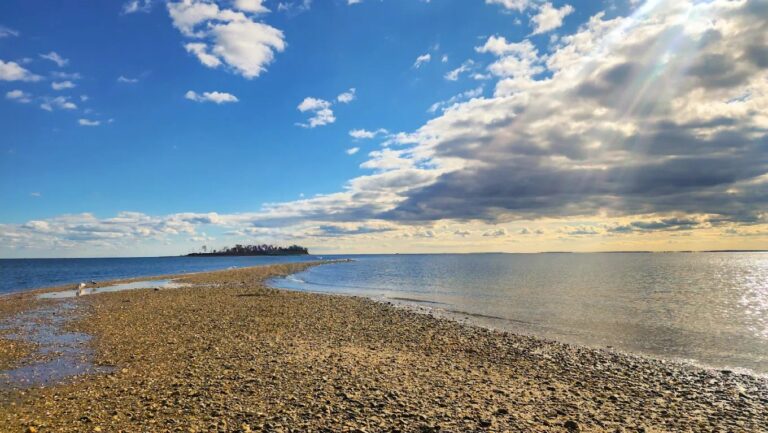
Western Sound flats managed by the local shellfish commissions. Hotlines report daily open/closed status.
Spot details, tides & map →Shellfish area status changes daily. When in doubt, don’t harvest — call the town hotline or the CT Department of Agriculture, Bureau of Aquaculture (203-874-0696).
🏛️ Towns with recreational shellfishing
Fees below are what towns have published — always confirm with the town before you buy. Many shellfish commissions list rules, maps and open dates on the town website.
| Town | Status hotline | License |
|---|---|---|
| Branford | 203-315-0678 | Resident $10 · Non-resident $50 · Daily $10 |
| Clinton | 860-664-6444 | Contact town |
| Darien | 203-838-9807 | Resident $20 · Non-resident $40 |
| Fairfield | 203-256-3074 | Resident $25 · Senior $15 · Non-resident $50 |
| Greenwich | 203-622-7777 | Contact town |
| Groton (incl. Bluff Point / Poquonock River) | 860-441-6793 | Weekly, monthly and yearly permits; oyster day permits |
| Guilford | 203-453-8088 | Resident $30 · Non-resident $80 · Daily $25 |
| Madison | 203-245-5600 | Contact town |
| Milford | 203-874-0696 | Contact town |
| Norwalk | 203-838-9807 | Contact town |
| Stonington | 860-599-7575 | Resident $30 · Non-resident $45 · Daily $20 |
| Waterford / East Lyme (Niantic River) | 860-444-5812 | Daily $10 / $15 · Season $50 / $75 (resident / non-resident) |
| Westport | 203-838-9807 | Contact town |
No recreational shellfishing program: Bridgeport, Stratford, West Haven, New Haven, East Haven, Westbrook, Old Saybrook, Old Lyme and New London.
What you can harvest
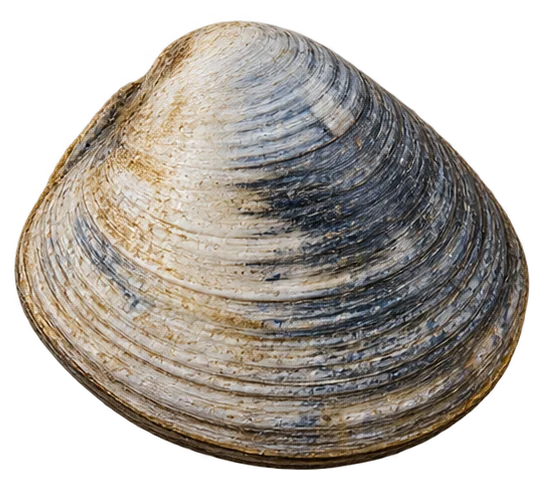
Rake or tread for them in sand and mud flats at low tide. Littlenecks, cherrystones and chowders are all the same clam at different sizes.
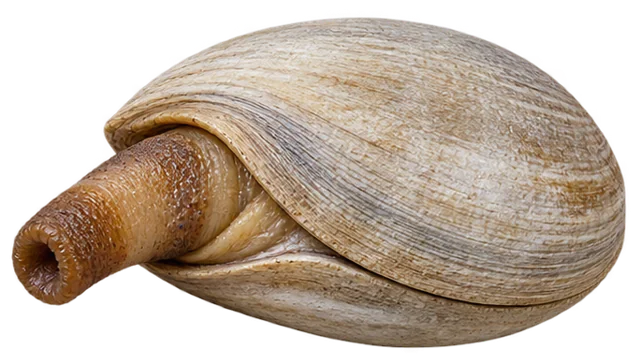
Look for the keyhole-shaped siphon holes in the mud at low tide, then dig carefully with a clam fork or by hand — the shells are thin.
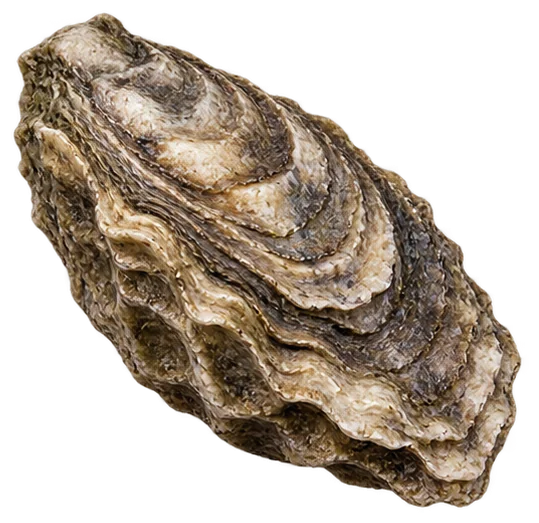
Picked by hand or with tongs from beds in brackish coves and river mouths. Leave small oysters and the shell attached to the bed.
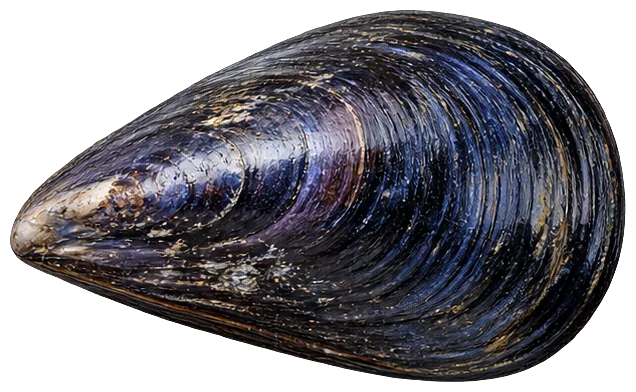
Clusters on rocks, pilings and jetties. Pick the bigger mussels and leave the beds to grow back.
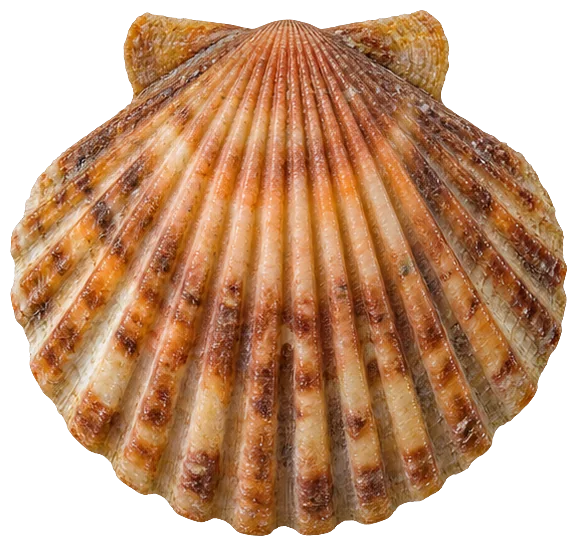
Lives in eelgrass. Only a few towns have a recreational scallop season — ask the shellfish commission.
Before you go — step by step
- Pick a town with a recreational program (list below) and buy its license at town hall or the shellfish commission. Resident and non-resident prices differ; some towns sell daily permits.
- Get the map of open recreational areas from the town or the CT Department of Agriculture.
- Call the hotline the day you go. Conditionally approved areas close after rainfall because runoff carries bacteria.
- Go at low tide — a negative low is best for flats.
- Measure everything with your gauge and stay within the town’s size and daily limits printed on your license.
- Ice them fast. Refrigerate promptly in a self-draining container; never let shellfish sit in the sun.
Never harvest from
- Any area marked Restricted, Prohibited or Conditionally Approved — Closed
- Near marinas, outfalls and storm drains
- Freshwater — shellfishing is only in marine waters
- Leased commercial beds (marked with stakes or buoys)
📜 Official sources — we check these pages every week and update this guide when the rules change. Last checked October 28, 2026.
- CT DEEP — Bait Species, Crab, Lobster & Shellfish Regulations (updated June 2025)
- CT Dept. of Agriculture — Recreational Shellfishing
- CT Dept. of Agriculture — Recreational Hotlines & Maps
This page is a plain-language summary. The official rules always win — confirm before you go.
📷 Share your shellfishing photos 🚩 Report a change or closure