
Beyond Fish · 🦀 Crabbing
Crabbing in Connecticut
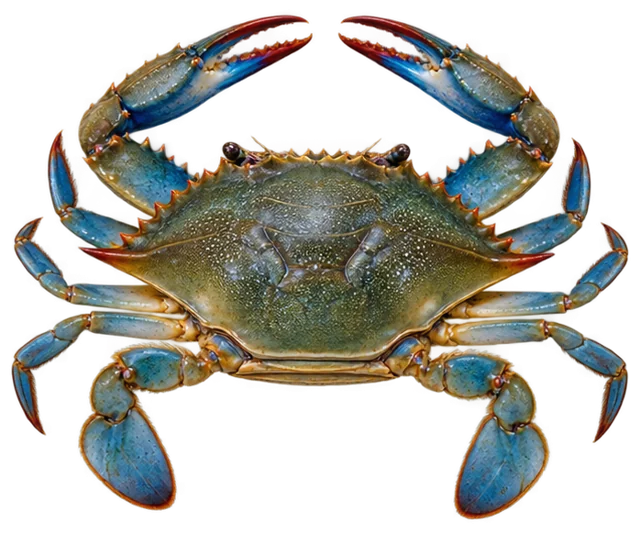
Blue crabs fill Connecticut’s tidal rivers, salt marshes and harbor coves every summer. All you need is a hand line, a chicken neck and a long-handled net — no license required for blue crabs.
📍 Where to go
A handicapped-accessible fishing and crabbing boardwalk and bulkhead on the lower Connecticut River near the I-95 bridge. Parking is allowed after hours for fishing and crabbing only. Note: CT DEEP lists the boardwalk as temporarily closed for bridge construction — check before you go.
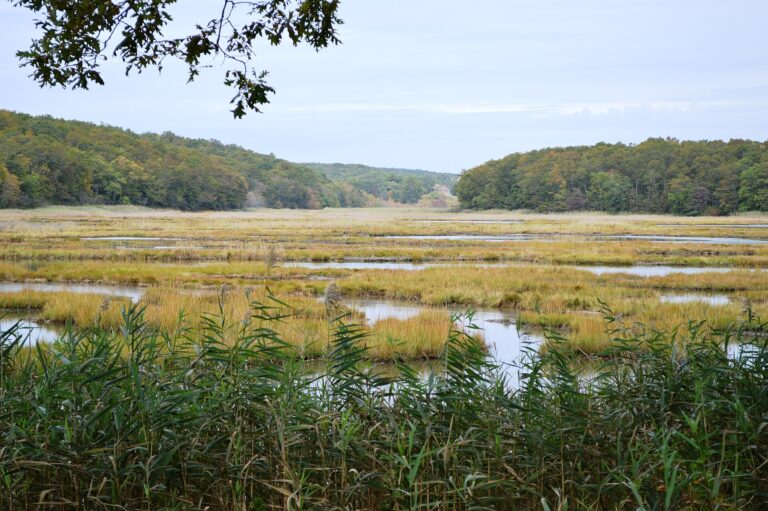
CT DEEP allows crabbing in designated areas of the park. The salt marsh and tidal creek behind the beach hold crabs through the summer; fish the creek mouth and marsh edges on a moving tide.
Spot details, tides & map →One of the best-known crab waters in the state — a shallow, protected tidal river with eelgrass flats and quiet coves like Smith Cove. Work the edges of the flats and the channel drop-offs.
Spot details, tides & map →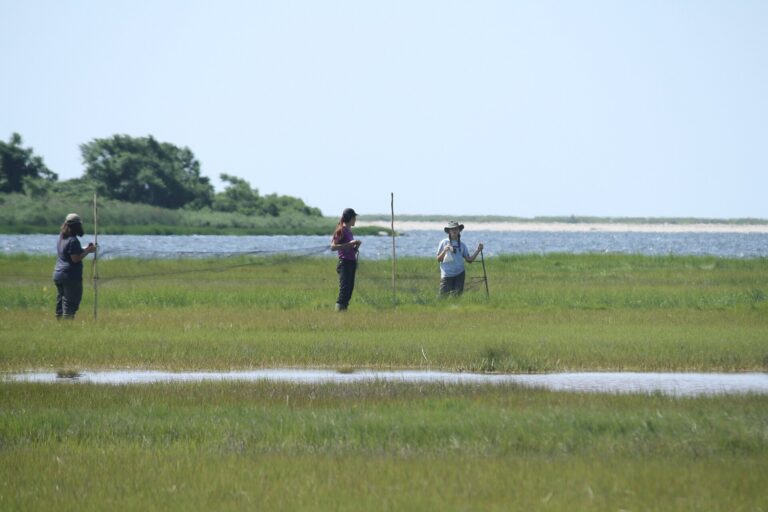
Connecticut’s largest coastal wildlife area: miles of tidal marsh creeks draining into Little Narragansett Bay. Crabs move up the creeks with the tide — hand lines and a net along the creek banks work well.
Spot details, tides & map →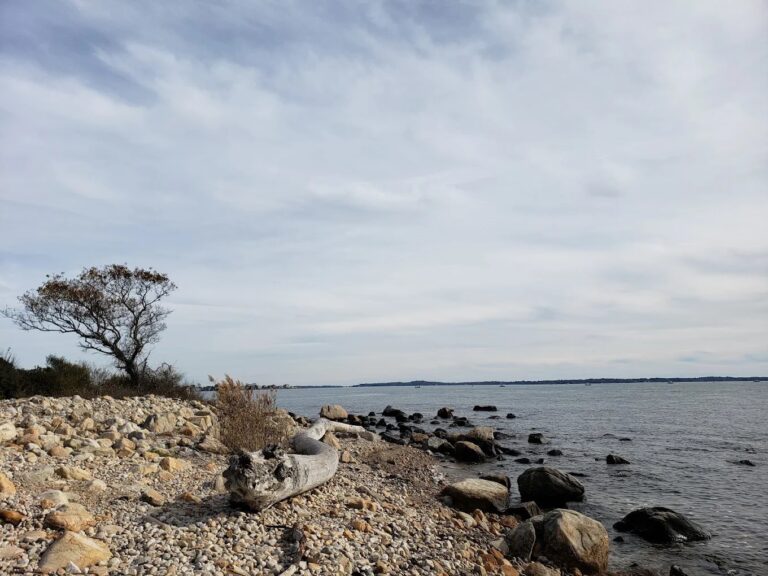
The shallow, protected cove on the west side of Bluff Point is open to fishing 24 hours (CT DEEP). Warm, muddy shallows and marsh edges are classic blue crab habitat.
Spot details, tides & map →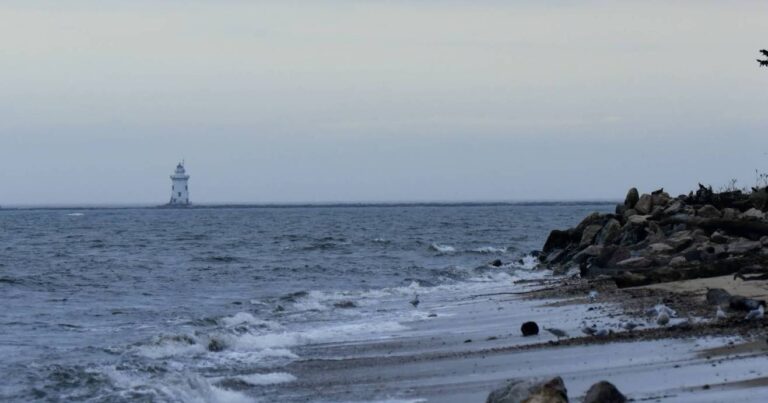
Where the Connecticut River meets the Sound. The brackish marshes, coves and creeks of the lower river hold big crabs in late summer; fish the edges where the current slows.
Spot details, tides & map →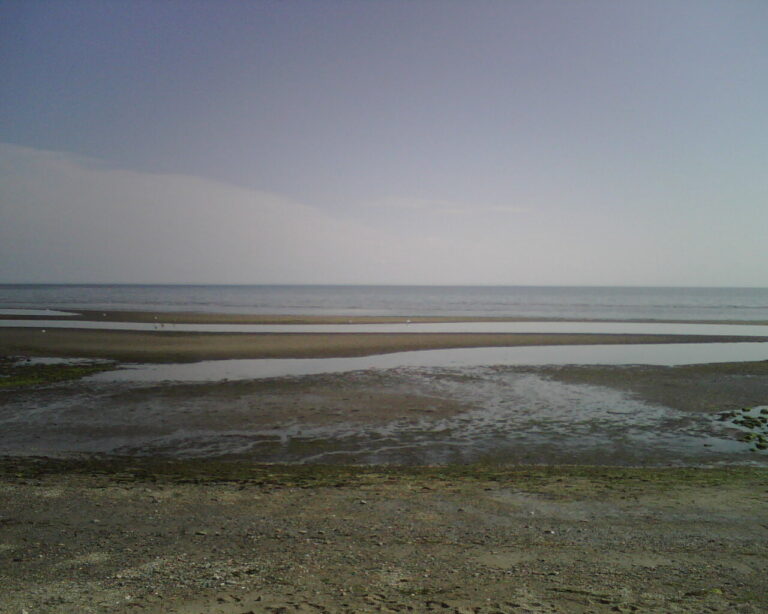
A tidal pond and marsh behind the beach connected to the Sound by a narrow inlet — the moving water at the inlet and the pond edges are a favorite for hand-lining crabs.
Spot details, tides & map →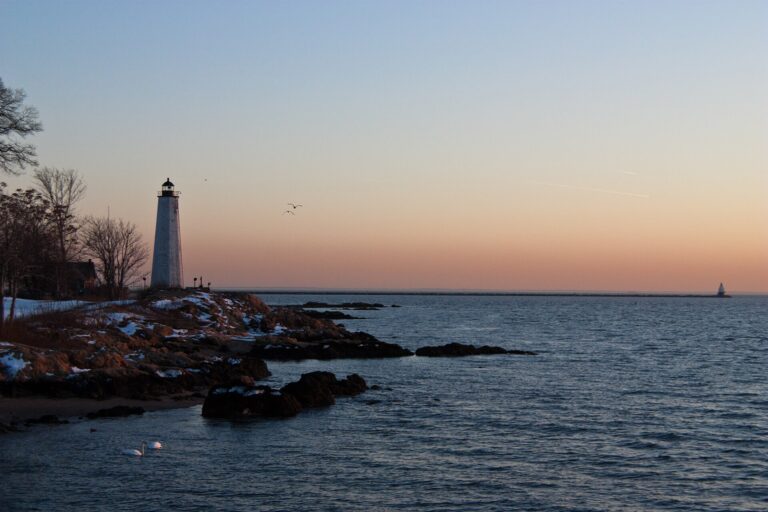
Shore access on the east side of New Haven Harbor and Morris Cove. Crab from the rocks and shoreline along the cove on calm summer days.
Spot details, tides & map →Access rules, parking and seasonal closures change — follow posted signs and park rules. Private docks need the owner’s permission.
Legal gear for blue crabs
- Hand line (a weighted string with bait) and a dip or scoop net
- Trot line
- Star crab trap (or similar)
- Circular topless trap up to 26″ across
- Semi-circular cylindrical trap 12″ or less across
Every device must be attended at all times. Chesapeake-style box traps (crab pots) are not allowed.
How to crab
- Bait up. Chicken necks or backs, bunker (menhaden) heads or fish racks tied tight to the line or trap.
- Lower it to the bottom along a channel edge, piling, dock or marsh bank and wait 5–10 minutes.
- Pull slowly. A crab will hang on while you ease the line up — slide the net under it before it reaches the surface.
- Measure every crab with a gauge. Toss back small ones and any female with an orange or brown egg mass under the apron.
- Keep them cool and damp in a cooler or bushel with a wet burlap or seaweed cover — not in standing water.
When & where they bite
Crabs feed best on a moving tide, especially the last hours of the incoming. Warm, calm summer days are prime; a cold snap or heavy rain slows them down. Look for soft-bottom coves, eelgrass edges, marsh creeks, bridge pilings and docks in brackish or salty water. By late October the big crabs head for deeper water to burrow in for the winter.
Other crabs
Jonah crab — no license, personal use only, 50 per day, no egg-bearing females. Green, fiddler, Asian shore and hermit crabs are bait species (marine fishing license required to take them) — perfect tautog bait. Lobster requires the Personal Use Lobster License, pot tags and an annual catch report.
📜 Official sources — we check these pages every week and update this guide when the rules change. Last checked October 28, 2026.
- CT DEEP — Bait Species, Crab, Lobster & Shellfish Regulations (updated June 2025)
- CT DEEP — Shore Fishing in Coastal State Parks (night fishing rules) (updated June 2025)
This page is a plain-language summary. The official rules always win — confirm before you go.